

A Guide to Ontario's GeoHikes
Take to the trail with the Geodiversity Education Foundation's GeoHikes and discover the geology and natural environments hidden throughout Ontario's landscapes. Follow self-guided hikes that reveal the rocks, landforms, ecosystems and natural processes you encounter along the way—turning an ordinary hike into a journey through Earth's geological and environmental history.
Have a geological or environmental hike you'd like to share?
Help expand our collection of geoscience and environmental experiences by submitting a GeoHike or field trip for consideration.
Video Instructions
Watch our instructions to learn how to follow a GeoHike, navigate geological and environmental stops and make the most of the features you'll encounter along the trail.
What to Take
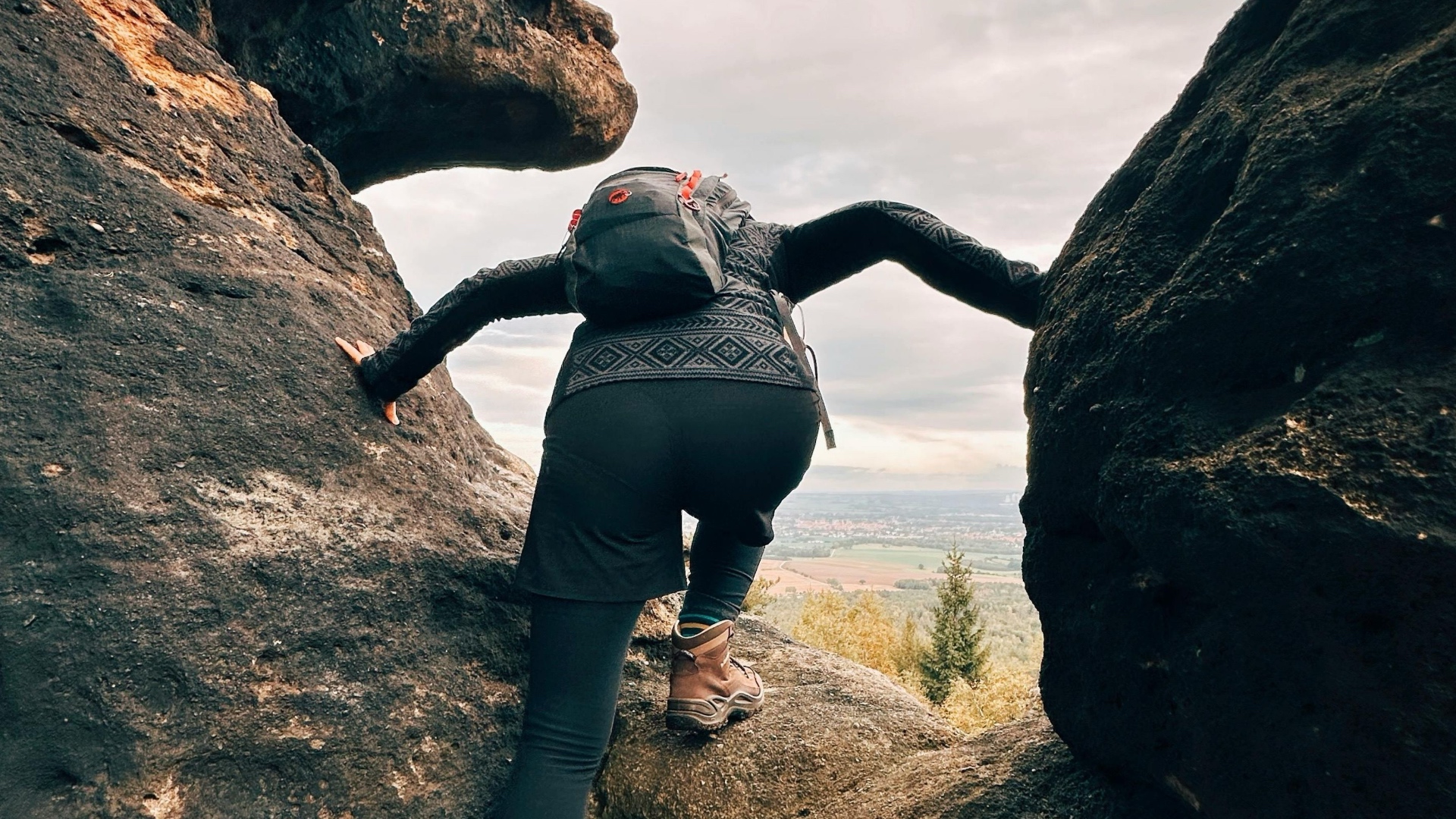
We recommend bringing a hand lens or magnifying glass, hiking boots or sturdy shoes, a camera, notebook and pen, and clothing appropriate for changing weather conditions.
The Geodiversity Education Foundation encourages responsible exploration: take pictures, not samples, and leave your rock hammer at home.
Safety
Stay on established trails wherever possible and avoid climbing unstable outcrops or rock faces. When viewing geological and environmental features near roads, remain as far from traffic as possible. Check weather and trail conditions before setting out, hike with at least one other person and keep appropriate local emergency contact information available.
GeoHike Rating Guide
Each GeoHike includes information about its approximate difficulty, duration and accessibility to help you choose an experience that is right for you.