

A Guide to Ontario's GeoRoutes
Welcome to the Geodiversity Education Foundation's GeoRoutes. These self-guided geoscience and environmental experiences reveal worlds you may never have known existed across Ontario—from primordial seas and explosive volcanoes to meteorite impacts, ancient marine life, changing natural environments and the geological forces that shaped the landscapes around us. Choose your route and start exploring.
Have a geological or environmental field trip you'd like to share?
Help expand our collection of geoscience and environmental experiences by submitting a field trip for consideration.
Video Instructions
Watch our GeoRoute instructions to learn how to navigate the experience, explore geological and environmental field stops and get the most from your geoscience adventure.
What to Take
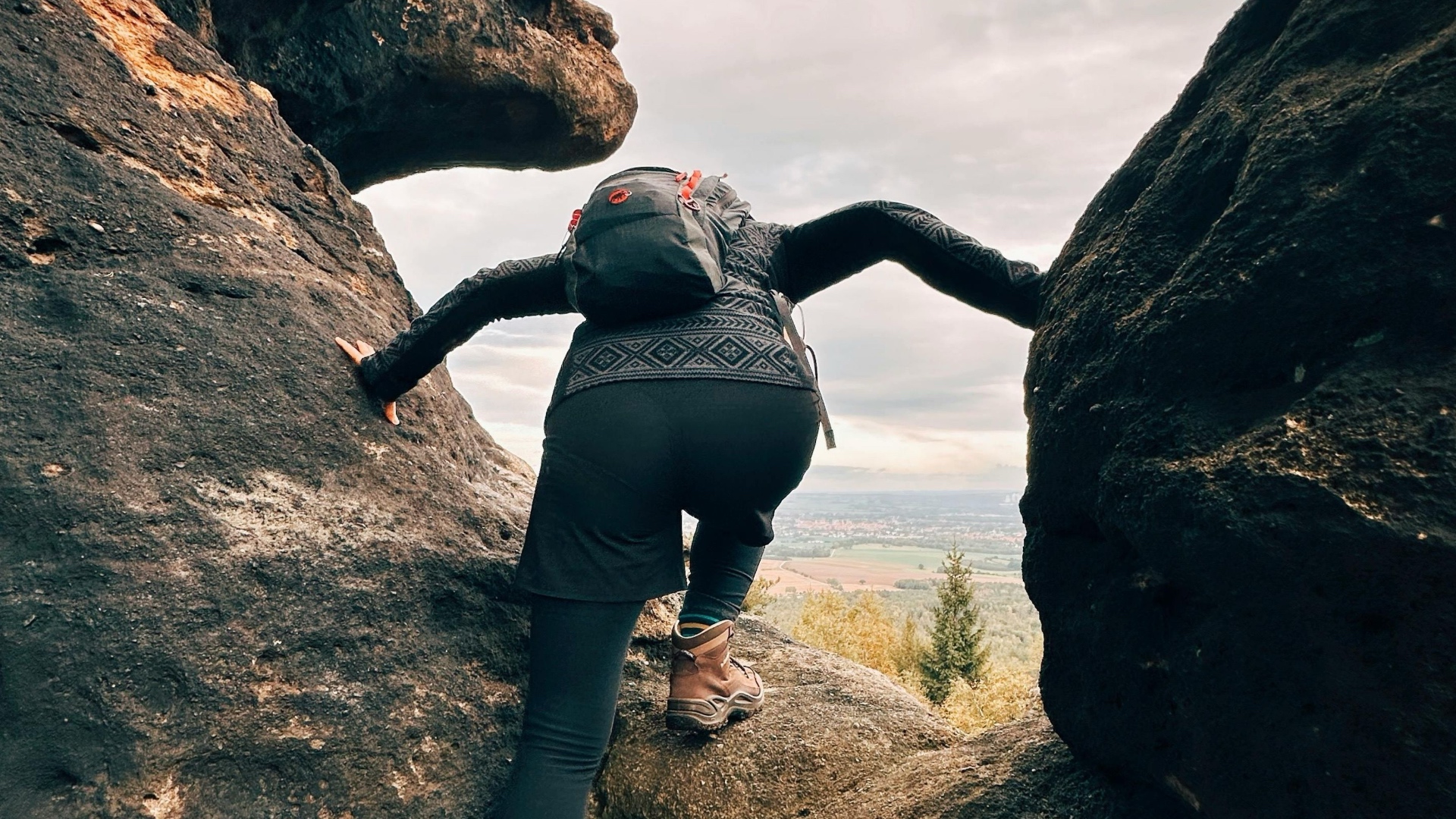
We recommend bringing a hand lens or magnifying glass, hiking boots or sturdy shoes, a camera, notebook and pen, and clothing appropriate for changing weather conditions.
The Geodiversity Education Foundation encourages responsible exploration: take pictures, not samples, and leave your rock hammer at home.
Safety
When viewing outcrops or geological and environmental features near roads, remain as far from traffic as possible. Avoid climbing unstable outcrops and stay on established paths wherever possible. Visit field sites with at least one other person and keep appropriate local emergency contact information available.
GeoRoute Rating Guide
Each GeoRoute includes information about its approximate difficulty, duration and accessibility to help you choose an experience that is right for you.